

Why Is My AC Freezing Up in the Middle of an Arizona Summer?
Western States Home Services Expert Tips
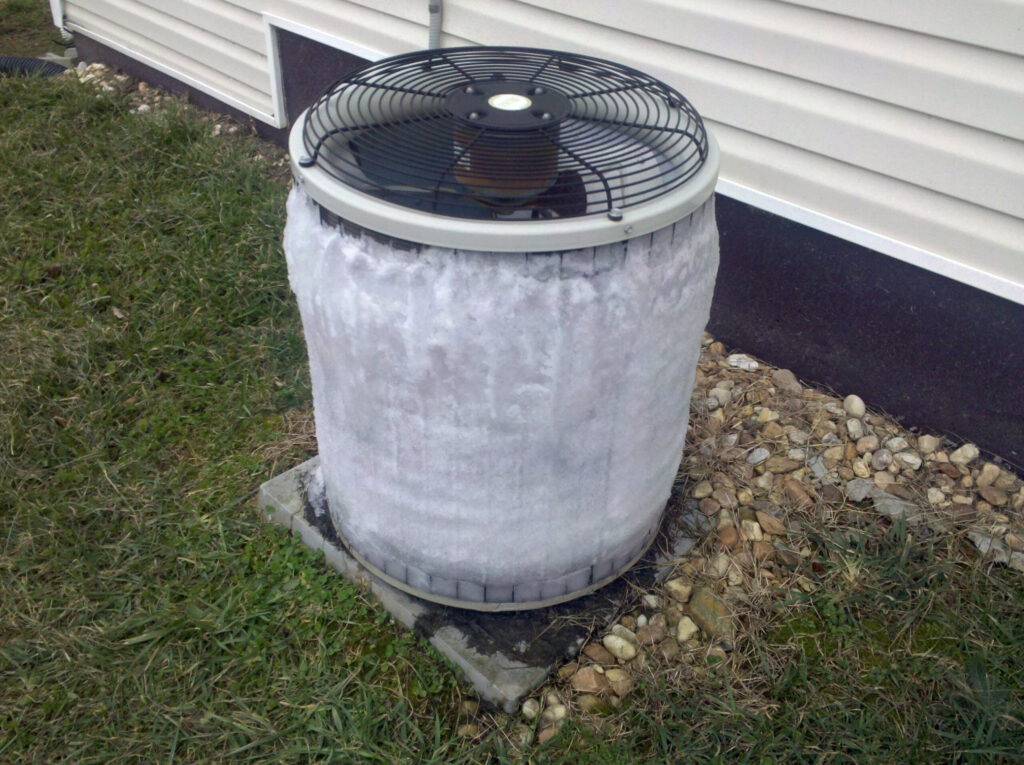
It may seem strange to see ice on your AC during an Arizona summer. However, this problem is more common than many homeowners realize. An AC coil freezes when the system can’t move enough heat, not because it’s making too much cold air. Poor airflow or low refrigerant can make the evaporator coil too cold, causing moisture on the coil to turn into ice.
Western States Home Services provides air conditioning services in Mesa, AZ for frozen coils and other cooling problems.
How an AC Coil Actually Freezes
Your air conditioner doesn’t create cold air. It removes heat from the air inside your home.
Warm indoor air passes over the evaporator coil. Refrigerant inside the coil absorbs heat from that air. The blower then sends the cooled air back through your home.
Moisture also collects on the cold coil. This is normal. The water should drip into a drain pan and leave through the condensate drain line.
An AC unit starts freezing up when the coil can’t absorb enough heat. This may happen because too little warm air is passing over it. Low refrigerant can also make the coil colder than it should be.
Once the coil’s temperature falls below freezing, the moisture on it turns to ice. That layer of ice blocks airflow, causing even more ice to form.
You may notice weak airflow, warm air from the vents, or an AC that runs constantly. These symptoms are often related to why your AC is running but not cooling.
Airflow Problems That Can Freeze an AC Coil
A dirty air filter is one of the most common airflow problems, but other issues can also cause an AC coil freezing up, including:
- Closed or blocked supply vents
- Blocked or undersized return vents
- Collapsed or damaged ductwork
- A dirty evaporator coil
- A weak blower motor
Keep all supply and return vents open, and check your air filter monthly during Arizona’s dusty summers. Most one-inch filters should be replaced every 30 to 60 days. If the filter is clean but airflow is still weak, the problem may be with the ductwork, blower, or evaporator coil.
Low Refrigerant and What a Leak Looks Like
Low refrigerant can also cause an AC unit freezing up. When refrigerant levels drop, the evaporator coil gets colder than it should, allowing moisture to freeze. Since refrigerant circulates in a sealed system, low levels usually mean there’s a leak.
Common signs include:
- Hissing or bubbling sounds
- Ice on the refrigerant lines
- Longer cooling cycles
- Warm or weak airflow
- Higher energy bills
Simply adding refrigerant won’t fix the problem if there’s a leak. A technician should locate and repair the leak before restoring the refrigerant level. If you notice these signs, schedule same-day AC repair.
What to Do When Your AC Coil Freezes
If you find ice on your AC, don’t panic. Follow these steps to let the system thaw safely.
1. Turn the Thermostat Off
Change the thermostat from Cool to Off. This stops the cooling cycle and prevents more ice from forming.
Don’t continue running the AC to see if it will correct itself. The system can’t cool your home properly while the coil is covered in ice.
2. Set the Fan to On
Change the thermostat’s fan setting from Auto to On. This runs the blower without turning on the cooling cycle.
The blower will move warmer indoor air across the frozen coil. That can help the ice melt faster.
If the blower isn’t working or no air is coming from the vents, turn the entire system off and let it thaw on its own.
3. Wait Three to Six Hours
A lightly frozen coil may thaw in three to six hours. A coil covered in thick ice can take up to 24 hours.
Don’t restart the cooling system while ice is still present. Turning it on too soon may cause the coil to freeze again.
Never chip, scrape, or break ice off the coil. The thin metal fins are easy to bend, and the refrigerant lines can be damaged. A small puncture could cause an expensive leak.
4. Replace the Air Filter
Check the air filter while the AC is off. If it looks dirty, replace it before restarting the system.
Make sure the new filter is the correct size. The arrow printed on the filter should point toward the indoor AC unit.
A clean filter may solve the problem if a lack of airflow caused the coil to freeze. However, you’ll still need to watch the system after turning it back on.
5. Check for Standing Water
Melting ice may leave water around the indoor unit. Check the drain pan and nearby floor.
Clean up water you can safely reach. If water keeps leaking or reaches electrical parts, leave the AC off and call for help.
6. Restart the System and Watch for Ice
Once the ice is gone and the area is dry, return the fan to Auto and restart cooling. Check for steady, cool airflow.
If ice returns within 24 hours, shut the system off. A deeper airflow, refrigerant, or equipment problem is likely causing the freeze-up.
Why Frozen AC Coils Keep Coming Back in Arizona
Arizona air conditioners often run nonstop during extreme summer heat, so even a small airflow or refrigerant problem can cause the coil to freeze.
Monsoon humidity adds more condensation, increasing the chance of ice forming. Older, aging, or improperly sized systems are also more likely to freeze because they struggle to keep up with demand. If you’ve also noticed AC short cycling, the two issues may be related.
Recurring ice is never normal and usually points to an underlying airflow, refrigerant, or equipment problem.
How to Prevent a Frozen Evaporator Coil
You can help prevent a frozen AC coil by:
- Checking your air filter monthly and replacing it when it’s dirty.
- Keeping supply and return vents open and unobstructed.
- Scheduling annual evaporator coil cleaning when needed.
- Having the condensate drain inspected and cleared.
- Watching for weak airflow or longer cooling cycles.
- Scheduling AC maintenance in Mesa, AZ before Arizona’s hottest weather arrives.
Professional maintenance helps catch airflow and refrigerant problems early. You can also avoid common issues by learning about 7 AC maintenance mistakes Arizona homeowners often make.
For even greater peace of mind, Western States Home Services offers an Energy Savings Agreement with regularly scheduled maintenance and member benefits.
When to Call an Arizona AC Technician
Call a licensed technician if:
- The coil freezes again within 24 hours
- Ice forms on the refrigerant lines
- The AC doesn’t cool after thawing
- Airflow stays weak with a clean filter
- You hear hissing or bubbling
- You suspect a refrigerant leak
These problems usually require more than thawing the coil. A technician should diagnose the underlying airflow or refrigerant issue rather than simply adding refrigerant.
Schedule AC Repair With Western States Home Services
A frozen coil is usually caused by restricted airflow or low refrigerant. While replacing a dirty filter may solve a one-time problem, ice that keeps returning shouldn’t be ignored.
Schedule same-day AC repair with Western States Home Services for a professional diagnosis. We also provide AC repair in Tucson, AZ, backed by our 100% Satisfaction Guarantee.
Contact Western States Home Services today to schedule same-day AC repair or AC repair in Tucson, AZ, and let our licensed technicians diagnose the problem and restore your home’s comfort.
Frequently Asked Questions
How do I stop my air conditioner from freezing up?
Can I fix a frozen AC myself?
Why does my AC keep freezing up at night?
How long does it take for AC coils to thaw?
Is it safe to run an AC that is frozen?
Western States Home Services Service Area
Proudly Serving Mesa & Surrounding Areas
 All Service Areas